This is default featured slide 1 title

Go to Blogger edit html and find these sentences.Now replace these sentences with your own descriptions.This theme is Bloggerized by Lasantha Bandara - Premiumbloggertemplates.com.

This is default featured slide 2 title

Go to Blogger edit html and find these sentences.Now replace these sentences with your own descriptions.This theme is Bloggerized by Lasantha Bandara - Premiumbloggertemplates.com.

This is default featured slide 3 title

Go to Blogger edit html and find these sentences.Now replace these sentences with your own descriptions.This theme is Bloggerized by Lasantha Bandara - Premiumbloggertemplates.com.

This is default featured slide 4 title

Go to Blogger edit html and find these sentences.Now replace these sentences with your own descriptions.This theme is Bloggerized by Lasantha Bandara - Premiumbloggertemplates.com.

This is default featured slide 5 title

Go to Blogger edit html and find these sentences.Now replace these sentences with your own descriptions.This theme is Bloggerized by Lasantha Bandara - Premiumbloggertemplates.com.

Showing posts with label Health Tips. Show all posts

Sunday, September 27, 2020

Now dengue mosquitoes will save you from corona, if you don't believe, read this news

  Now dengue mosquitoes will save you from corona, if you don't believe, read this news


                                             Image Source 


Professor Miguel Nicolelis says that if this proves to be true, the hypothesis could mean that a dengue infection or a dengue vaccine could produce a degree of immunity against the corona virus.


New Delhi: There is news during the Corona epidemic. In a new study analyzing the coronavirus (SARS-CoV-2) in Brazil, scientists have found a link between the covid-19 virus and mosquito-transmitted dengue fever. According to a report, scientists said that exposure to the mosquito-borne disease could lead to immunity against Covid-19. Dengue is giving people some degree of immunity which is helping the crew to fight the virus.


Analysis based on two-year statistics

The research, led by Duke University professor Muguel Nicholes, has not yet been published. It has only been shared with Reuters. He presented comparative statistics of the spread of corona with dengue fever in the year 2019-2020.


Antibodies developed from dengue can work against corona

Research has shown that coronavirus rates have dropped this year and in places where dengue spread last year. Research has shown that this increases the likelihood of a complex immunogenic cross-reactivity between the dengue flavorvirus serotype and SARS-Co-2. Professor Miguel Nicolelis said the figures are also interesting because earlier research had found that people who had dengue antibodies in their blood were coming out falsely positive in corona virus antibody tests. Even when he never had a corona transition.


The dengue vaccine will provide protection against corona

Professor Miguel Nicolelis says that if this proves to be true, the hypothesis could mean that a dengue infection or a dengue vaccine could produce a degree of immunity against the corona virus.


Important Link

Read Report 

Corona cases cross 3.5 million worldwide

The outbreak of the corona virus is not taking hold. The deadly virus from China has infected about 3.5 million people worldwide and killed more than one million. Brazil lags behind only the US and India in terms of the number of Coro transitions. It is behind India. Corona cases have been reported in areas such as Paran ક, Santa, Catarina, Rio Grande do Sul in Brazil where dengue has been rampant for more than two years.

FSSAI advice; Include these 6 foods rich in omega-3 in the diet to strengthen the immune system

 FSSAI advice; Include these 6 foods rich in omega-3 in the diet to strengthen the immune system


The Food Safety Standard recommends a number of measures to prevent corona

Omega-3 foods help boost immunity


The Food Safety and Standards Authority of India (FSSAI) has recommended a number of measures to prevent corona. By including it in your diet every day, you can prevent not only coronary heart disease but also many other diseases.


As soon as the body's immune system is weakened, coronavirus, swine flu, or any other seasonal illness can easily spread. The immune system is a protection mechanism inside our body, which works to protect us from external infections.


Omega-3 boosts immunity power

Omega-3 foods help improve the level of rich immunity. The FSSAI has also acknowledged this. The Food Regulatory Body has instructed that this type of plant-based food should be included in the diet. The Food Safety Regulatory, FSSAI has tweeted how omega-3 foods boost your immune system.


Know what is omega-3?

Include these 6 foods rich in omega-3 in the diet to strengthen the immune system
Image Source 

Omega-3 is an essential fatty acid that is important for the body, but the body cannot make it on its own. It is polyunsaturated fat, which can be taken from food items (or supplements, only after consulting a doctor).


Learn the list of omega-3 rich food products released by FSSAI - which you can use to boost your immunity


1. Walnuts: They are rich in antioxidants. Walnuts contain many nutrients like protein, calcium, magnesium, iron, phosphorus, copper, selenium, omega-3 fatty acids. It keeps the intestines healthy. As well as helping to control diabetes and blood pressure. It does not increase or decrease in your body. Maintains balance. Not only this, but it also helps in lowering the harmful cholesterol.


2. Pumpkin seeds: They are high in fiber and rich in antioxidants. You can include it in your diet. There are many benefits hidden in its small seeds. Pumpkin is available only in its season but pumpkin seeds are available all year round. The use of its seeds does not cause urinary problems. Being high in magnesium helps keep your blood pressure, diabetes in balance. In addition, it is important to keep the heart and bones strong.


3. Fenugreek leaves: Both fenugreek seeds and leaves help in weight loss. Its leaves are rich in fiber and other essential nutrients. Eating fiber keeps your stomach full longer, so you avoid taking in extra calories. Fenugreek leaves have potent properties, which can help control cholesterol. Fenugreek leaves are also beneficial for diabetes. It can be helpful in controlling diabetes. Fenugreek leaves are beneficial for health as well as skin. It contains antioxidants and many essential vitamins.


4. Beans: Beans are rich in iron, which gives strength to the body. The body needs a lot of iron for metabolism and energy, which is met by eating kidney beans. At the same time, the circulation of oxygen in the body also increases. The amount of calories in kidney beans is suitable for people of all ages. Beans are rich in fiber. It also helps in controlling the blood sugar level. It contains a sufficient amount of Vitamin K, it works to boost the nervous system. It is also a good source of Vitamin B. It also controls cholesterol. Magnesium it helps in fighting against heart-related diseases.


5. Watermelon B: It contains iron which is an important element of hemoglobin. Bits of help carry oxygen throughout the body. A diet rich in potassium, magnesium, protein, and calcium is considered good for the heart. Seeds are high in magnesium which protects the heart. In addition, it keeps blood pressure under control. Drinking boiled seed syrup on an empty stomach daily is beneficial for diabetics.

Important Link


સંપૂર્ણ ન્યૂઝ વાંચો ગુજરાતી માં

6. Millets: Millets are gluten-free, it is beneficial for the body. It contains potassium. Millet is good for digestion as it is rich in fiber. Eating millet relieves the problem of constipation. People who have diabetes should include millet in their diet. Doing so can help control diabetes.

Friday, September 25, 2020

Easy Ayurvedic herbs and remedies for maintaining health

 Easy Ayurvedic herbs and remedies for maintaining health


Easy Ayurvedic herbs and remedies for maintaining health

Women's health

Awareness about Maternal and Child Health India is committed to reducing maternal mortality and increasing the ubiquitous availability of reproductive health services. Awareness of maternal and child health is an important responsibility and a basic need, which ensures the success of various programs implemented by the government.
Easy Ayurvedic herbs and remedies for maintaining health


Health slider Information on Homeopathy (AYUSH), gathers resources (AYUSH). Mental Health - The Need of the Hour According to the World Health Organization, by 2020, depression will be the second leading disease in the world. The social and economic value of the growing burden of mental health suggests that there is a need to raise awareness for mental health and its treatment.

Women's Health

Women's health is very important throughout life, from the beginning of menstruation to menopause. Adolescents' health, pregnancy, and reproductive organs are very important and should be taken care of. 


India has 22.5% of adolescents. Adolescence has a direct effect on pregnancy with growth and development. Pregnancy is a very important stage in a woman's life. Much attention is paid to reducing maternal mortality and infant mortality. This section of the portal provides information on safe motherhood and good reproductive system care.

Child health

Children and newborns, to achieve important stages of development and growth, vaccinations, care in illness, nutrition, etc. play an important role in the health of the child. Children are at risk of malnutrition and infectious diseases, healthy development should be supported by proper care and protection from infectious diseases and malnutrition.


 As a parent, many questions arise regarding the child's health and development. No negligence can be kept when it comes to the health of the child. Every stage of life as a child such as newborn, infant, walking, or going to school requires special attention and care and it prevents diseases as well as promotes maximum growth and development. The portal provides information on these topics.

Mental health::

The World Health Organization identifies mental health as a state of mind in which a person realizes his or her potential and is able to recover from normal stressful life, work productively, and contribute to his or her community. Positively, mental health is the foundation of human well-being and the proper functioning of the community.

Plans::

The National Rural Health Mission was launched by the Hon'ble Prime Minister on 12 April 2005 with the objective of providing effective health care to rural people, disadvantaged communities, and women as well as children and increasing people's participation in effective access to public health services as well as decentralization. The NRHM covers the entire country with a special focus on 18 states to improve health indicators by enabling poor health services.

AYUSH::

The Department of Indian Systems of Medicine and Homeopathy was formed in March 1995. It was renamed AYUSH in November 2003 and includes Ayurveda, Yoga, Naturopathy, Unani, Siddha, and Homeopathy. It aims to focus on teaching and research in Ayurveda, Yoga, Naturopathy, Unani, Siddha, and Homeopathy.

Nutrition::

Nutrition is the elements found in food that is determined by the body's food needs. Good nutrition - a balanced diet with proper, regular physical activity - is the key to good health. Poor nutrition lowers the immune system, increases the risk of disease, impairs physical and mental development, and reduces productivity. This portal provides information on various foods and their values ​​in the nutrition section.

Diseases::

The disease is any condition that affects the normal functioning of the body or any of its organs, including diseases of plants and animals. The most important diseases affecting man and his conditions can be divided into three types. Internal diseases, external diseases, and diseases of unknown origin.

Internal diseases:

These diseases come from inside the body. However, these types of diseases are prevalent today. It is known for stress-related diseases, immune-related diseases, cancer, heart diseases, glandular diseases, and malnutrition.

External Diseases:

Diseases caused by external factors. The standard of living has changed since the twentieth century and these diseases pose a greater risk to society.

Diseases of unknown origin: There are also diseases of unknown origin, such as Alzheimer's, the causes of which we are not aware of.

Water and sanitation

The integrated definition of hygiene includes drinking water, liquid, and solid waste, environmental hygiene, and personal hygiene. Lack of assurance in any of these matters endangers the health of an individual, family, or community. Environmental hygiene and well-being were very close to Mahatma Gandhi's heart. He called "hygiene the dominance".


IMPORTANT LINK::

GET PDF FROM HERE


Easy Ayurvedic herbs and remedies for maintaining health

First aid::

In case of emergency or accident or minor injury, some preparation should be done at home, office, school-college, factory where everyone knows. First aid is essential to care in the event of an injury or illness. He is usually not an expert.

Information about the Significance of Ayurveda

 Information about the Significance of Ayurveda


We are Guide to This Post About the Significance of Ayurveda. What is the Significance of Ayurveda? How To Use of Treatment of the Significance of Ayurveda.Full Information about the Significance of Ayurveda.


Information about the Significance of Ayurveda

Information about the Significance of Ayurveda


Read all information about the Significance of Ayurveda

According to Ayurveda, the human body is made up of four basic elements - dosha, metal, feces, and fire. These four basic elements of the body are very important in Ayurveda. It is also called the basic principle or basic basis of Ayurvedic treatment.

What is Ayurveda?


Ayurveda has been a method of treatment since ancient times, which was born in India. The word Ayurveda has two words Ayu and Veda. In which age means - life and Veda means - science. Thus, Ayurveda is the science of living life.

The main goal of Ayurveda is to keep the healed person healthy, then to remove the disease of the sick man is another important goal. For this, Ayurveda has given guidance on various medicines, methods of treatment, and diet.


The origins of Ayurveda lie in the ancient Vedas - Rigveda, Samaveda, Yajurveda, and Atharvaveda. Ayurveda is connected not only with physical but also with mental and spiritual matters.


Ayurveda - Basic Concepts Ayurveda is an ancient medical system of the Indian subcontinent. In India, it is believed to have started 5000 years ago. The word Ayurveda is a combination of two Sanskrit words Ayus and Veda. Ayus means life and Veda means science. 


Thus the word Ayurveda means the science of life. The medical system focuses on the treatment of diseases, while Ayurveda is a system focused on healthy living. The basic idea of ​​Ayurveda is that it personalizes the treatment process.

The three important principles of guilt are talk, bile, and phlegm. Together, these three regulate and control the body's actions, including metabolism. The main function of these three defects is to carry the byproduct of the digested food to every part of the body, which helps in building the muscles of the body.

Fault::

Disruption of the function of these faults causes disease in the body. The base that supports the metal body is called metal. The body has seven cells: juice, blood, flesh, fat, bone, marrow, and Venus - which symbolize pranas, blood, muscle, fat, bones, bone marrow, and semen respectively.

Metal::

Metals provide only basic nutrition to the body. And it helps in brain growth and its formation. Muslin means a useless thing or filthy, dirty, unclean. It is the third of the three elements of the body. There are three types of feces: excrement (meaning juju-Jado-diarrhea), urine (urine), and sweating. 

The stool is mainly useless so proper disposal of stool from the body is essential to keep the body healthy. There are two forms of feces: feces and kits.


 The stool is a useless thing in the body and Kitta is a useless metal. All the metabolic and other digestive processes of the body are done with the help of biologically generated fire in the body which is called fire. Agni is a catalyst in the esophagus, liver, and muscle cells. AnatomyAyurveda is the yoga of the body, senses, brain, and soul.

Feces::

The living human being is made up of three faults (speech, bile, phlegm), seven basic tissues (juice, blood, flesh, fat, bone, marrow, and sperm), and waste products of the body (such as feces, urine, sweat). Thus, the whole body is made up of faults, muscles, and waste products. 


This Panchmahabhuta means earth, water, fire, air, and sky.

Following tests:
  1. General physical examination
  2. Pulse test
  3. Urine test
  4. Vista (stool) test
  5. Tongue and eye examination
  6. Testing of skin and ears (touch and hearing)
IMPORTANT LINK::

GET PDF FROM HERE


The composition of the body and its components depend on food as food is processed into these impurities, muscles, and waste products. Eating, digestion of food, acceptance of food, metabolism, etc. are the basis of health and disease. All of this has a significant effect on the psychological process and gastrointestinal (fire). According to Panchmahabhuta Ayurveda, all the objects in the universe, including the human body, are made up of the five basic elements (Panchmahabhuta). 

Information about the Significance of Ayurveda

Types of treatment; There are the following types of treatment for the disease

 Types of treatment; There are the following types of treatment for the disease


Types of treatment; There are the following types of treatment for the disease
treatment for the disease


Read all info about different types of treatment.


today we learn about the different treatments of disease.

Cleansing Therapy

The purpose of cleansing treatment is to eliminate the underlying causes of physical or physio-mental illnesses that have occurred in the patient. It involves the process of internal and external cleansing of the body. Usually, it involves the Panchakarma, Purva Panchakarma process.

Panchkarma treatment focuses on managing the action of metabolism. It provides the desired effect of purification and is also beneficial in other ways. This treatment is especially helpful in naturally occurring disorders, musculoskeletal disorders, cardiovascular-related, respiratory-related diseases, metabolic, degenerative disorders, etc.
treatment for the disease


Sedation therapy


Sedation therapy alleviates weak defects. The process by which an unbalanced defect becomes normal-balanced without unbalancing the other defect is called mitigation therapy. This treatment can be achieved by using appetite suppressants, digestive substances, through exercise, and by taking in the heat of the sun and fresh air. This type of treatment also uses painkillers.

Dietary system (diet and activity guidelines)

The diet is mainly made up of specific signs or contraindications to diet, activity, habits, and emotional state. This is to make the treatment more effective and to prevent the disease from spreading. In order to stimulate the gastrointestinal tract in the body and increase the digestion of food, special emphasis is laid on what to eat and what not to eat, so that the muscles of the body can be strengthened.

Diagnostic mutations (avoidance of pathogens and disease-promoting factors)

The diagnostic mutation is to avoid pathogenic and disease-promoting factors in the patient's diet and lifestyle. This diagnosis explains what to do to avoid disease-causing factors. Satvavajaya (Psychotherapy) Satvavajaya is primarily a matter associated with mental discomfort. 

These include keeping the brain away from the desire for certain diseased (or pathogenic) substances and on the other hand cultivating courage, memory, and concentration. The study of psychology and psychiatry in Ayurveda is very deeply woven and is widely used in the treatment of mental disorders.

Chemotherapy (immunosuppressive and rejuvenating drugs)

Chemotherapy is a process of accumulating energy and tonic. There are many positive benefits to using chemotherapy. As the physical internal balance is maintained, memory is increased, intelligence is sharpened, resistance to disease is increased, youth is maintained, energy is transmitted. Prevents premature muscle formation and destruction and promotes overall health.

Dietary regulation is very important

Because Ayurveda considers the human body as a food product. The mental and spiritual development of any human being and his nature depends on the quality of food he eats. In the human body, food is first converted into juice and then gradually converted into blood, muscle, fat, bone, bone marrow, regenerating elements. In this way, food is the basis of all metabolism and life activity. Lack of nutrients in the diet or not converting the food in the way it should be inviting various diseases. National level institutes on Ayurveda in India

(Institutes) National University of Ayurveda, New Delhi

RAV is an autonomous body operating under the Department of AYUSH under the Union Ministry of Health and Family Welfare and registered in 1988 under the Societies Act, 1860. RAV provides modern practical training to Ayurvedic graduates below 28 years of age and postgraduates below 33 years of age through the Guru-Shishya tradition (ancient method of imparting knowledge).

Candidates pursuing Ayurvedacharya (BAMS) degree or equivalent study under a one-year Certificate Course (CRAV) of the National University of Ayurveda can be trained in Ayurvedic Clinical Practice under a renowned Physician (or Physician) and Traditional Practitioner so that they can be trained in Ayurvedic Clinical Practice.

National Institute of Ayurveda (NIA), Jaipur

The National Institute of Ayurveda, Jaipur was established in 1976 by the Government of India as the apex Ayurveda institute for higher education and training and research with a scientific approach to Ayurvedic medicine in the country.

IMPORTANT LINK::

GET PDF FROM HERE


The institute offers undergraduate, postgraduate, and Ph.D. Education, clinical and research activities are done at the level. This institute is affiliated to Rajasthan Ayurveda University, Jodhpur. Admission to the BAMS course is through the All India Entrance Test conducted by the University. To get admission to a postgraduate course.


Types of treatment; There are the following types of treatment for the disease

A complete understanding of diabetes and its treatment

 A complete understanding of diabetes and its treatment


In This Post, we guide About A complete understanding of diabetes and its treatment. 
What diet should a diabetic patient follow?. Diet for patients with diabetes.The importance of exercise in diabetes


What is diabetes?
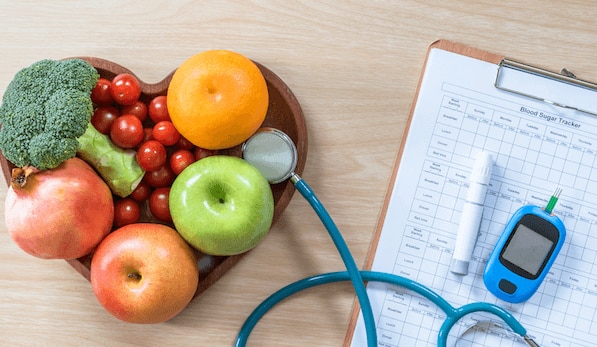
What is diabetes?
What is diabetes?

The full name of diabetes which we know as diabetes is ‘diabetes mellitus’. Salt (salt-like honey) Sweet urine like honey means diabetes mellitus aka ‘diabetes mellitus’. From now on, for the sake of simplicity, the disease is referred to only as diabetes. In a diabetic patient, there is a deficiency of endocrine insulin, which regulates glucose in the body. 


The main function of insulin is to carry glucose molecules from the blood into the patient's cells. Due to the lack of insulin, glucose molecules cannot reach the patient's cells from the blood. As a result, even though the body has plenty of glucose, the body's cells cannot use it. 


The condition of the body becomes like a state full of disorder and chaos in which people die of starvation despite the abundance of food. Even though there is plenty of glucose in the body, the cells of a diabetic patient suffer from a lack of glucose. As blood glucose levels rise (more than 120 mg / dL), excess blood glucose begins to be excreted in the urine.


 This important component of nourishing the body is thus wasted and the patient's condition worsens. He feels very hungry, thirsty, and urinates a lot; And in the long run, damage to the eyes, heart, kidneys, nerves, etc. can lead to many complications.

Healthy man's blood - what is the normal sugar in the urine?


First of all, let's understand what "sugar" means. "Sugar" can mean "sugar" in Gujarati or "sugar" in Sanskrit. Usually, when it comes to "sugar" in the blood or urine, it is considered to be glucose. Glucose is an important fuel that energizes the body's cells.


 Our diet consists of three main components of energy - carbohydrates; Protein and fat. The carbohydrates that make up the largest of these three are found in many different forms of food. Cereals, lentils, potatoes, sweet potatoes, tubers, fruits, vegetables, etc. have a very large share of carbohydrates.


 When carbohydrates are ingested in different forms, most of the food is eventually converted into glucose after digestion. If you have not eaten during the night, the next morning on an empty stomach you will find about 8 to 115 mg of glucose per 100 ml of blood in a healthy person.

After a meal, the digested glucose is absorbed into the bloodstream within two to three hours. Blood glucose levels rise dramatically during a period of about half an hour to two hours after a daily meal There should be no sugar

Eat a variety of foods

Instead of eating the same foods every day, eat a variety of foods. Instead of the same type of cereal-bean-vegetable or fruit, choose different types of cereal-bean-vegetable or fruit on a daily basis so that different tastes can be enjoyed and the ingredients in one type of food can be compensated by another food. If you get more potassium in some fruits, you will get more vitamins in others.

Eat as much as you use


Eat as much energy (calories) as you can use for various activities and exercise during the day. Eating foods that are more potent than you can consume on a daily basis will help you lose weight, which can be dangerous for your health. Diabetics who are overweight should plan their diet in such a way that they get about 200 kcal less energy than they use for daily activities and exercise.


 It is easier to control diabetes if you lose half or one kilogram of weight every month and lose five kilograms a year and maintain the weight loss. There is no need to go hungry to reduce the energy (calories) you get from food.


 But low-calorie foods need to be chosen. Ghee-oil-butter-meat etc. are high fat and high-calorie foods. While salads, vegetables, fruits, etc. are relatively low calorie and low-fat foods. Increase the intake of vegetables, salads, fruits in the diet, and stop eating fried, farsan, ghee sweets, biscuits, meat, etc.

Choose more salty foods


Dietary fiber should be sufficient in the diet of every healthy person. Patients with diabetes should make sure that they have enough fiber in their diet. The fibers prevent the sudden rise of sugar in the blood. As well as preventing cholesterol from rising. Whole grains and legumes are high in fiber. Cereal grains (e.g. barley, Kodai, samo, Nagali), etc.


 have more fiber. So give preference to small grain grains instead of large grain grains like wheat-rice etc. Similarly, choose to use hand-milled rice and wheat flour instead of milled rice. Instead of lentils and peeled fruits, if possible, make it a habit to eat all fruits without peeling. The roots have relatively few fibers. Prefer vegetables instead.

Eat less cholesterol and less saturated fat

Cholesterol and fat reduction are responsible for most of the long-term complications that occur in diabetics. Cholesterol comes from milk and non-vegetarian foods while vegetable oils contain saturated fats from which cholesterol is made. Circulating fat damages the blood vessels of diabetics, narrowing, and hardening the blood vessels.


 which can lead to heart disease or gangrene of the legs. Non-vegetarian and ghee-cream - Stop consuming butter is beneficial for diabetics. In addition, use only oil as a vegetable supplement and stop using fried items and mouth-watering items (bhakri-that, puri, paratha, etc.).


 All biscuits contain hydrogenated vegetable ghee, which is extremely dangerous for the arteries and it is desirable to stop consuming it completely.

Eat foods that are not high in sugar.

It is not uncommon for a diabetic to discontinue sugary foods, but it is important for diabetics as well as every healthy person to be careful not to exceed four teaspoons (twenty grams) a day.


 Excessive sweetness provides only energy (calories) without vitamins and fiber. Which is dangerous for long term health. If sugar is to be "added" to the diet, the number of other carbohydrates (starch, etc.) should be reduced so that the total calories do not increase.

Reduce consumption of salt soda-papad

Diabetes and hypertension are associated with each other. If one happens then the chances of getting another disease are greatly increased. High blood pressure in a diabetic patient increases the risk of kidney and heart damage. 


Stay away from addictions

Tobacco-alcohol addiction harms a healthy person as well as diabetics. Absolute avoidance of such addictions is essential for diabetics.


A complete understanding of diabetes and its treatment

To prevent this from happening, it is important for every diabetic patient to reduce their intake of sodium-containing items such as salt-soda-papad. A total of six grams of salt in the daily diet is more than enough salt.


 One pinch (made up of two fingers and thumbs) contains about two grams of salt so it is desirable not to use more than three pinches of salt per person. It is also important to limit the use of soda-containing dishes and fursonas (e.g. Ganthiya, Fafda, Papadi, etc.).

Learn these 5 types of treatment in Ayurveda; know more about Panchkarma.

 Learn these 5 types of treatment in Ayurveda; know more about Panchkarma.


In today's fast-paced age, thousands of second-hand moving devices have been invented, while the development story of Ayurveda as a slow-acting treatment in medical science is also moving forward. One of the reasons for this is the "Holistic Approach" of Ayurveda treatment. Born and raised on the land of India, this method of treatment has seen many ups and downs in its thousands of years of life.

There are many things in Ayurveda that are prevalent in the general public to some extent, there are many things that have become more prevalent than what is in Ayurveda and some things have not come to light at all. One of such unknowns is the Panchkarma treatment method.

What is Ayurveda? Ayurveda has been a method of treatment since ancient times, which was born in India. The word Ayurveda has two words Ayu and Veda. In which age means - life and Veda means - science. Thus, Ayurveda is the science of living life.

Learn these 5 types of treatment in Ayurveda; know more about Panchkarma.


The main goal of Ayurveda is to keep the healed person healthy, then to remove the disease of the sick man is another important goal. For this, Ayurveda has given guidance on various medicines, methods of treatment, and diet.

The origins of Ayurveda lie in the ancient Vedas - Rigveda, Samaveda, Yajurveda, and Atharvaveda. Ayurveda is connected not only with physical but also with mental and spiritual matters.

What is Panchkarma?


Panchkarma is a special type of Ayurvedic treatment. Usually, in any disease we take medicines, from which the waste that causes the disease is gradually reduced in the body. When Panchkarma treatment, the waste is expelled from the body at once. 

Just as washing the dirty clothes removes the stains and impurities in it, so the cleansing of the body from Panchkarma removes the waste inside the body. According to Ayurveda, air-bile-phlegm is one of the main causes of the disease, all three of which are called faults. The main place of these defects is the part which is called Roop, from that part the defect is removed by Panchkarma.

Punch means five, karma means process, thus the five main processes performed for different diseases are Panchkarma. This consists of five actions, hence known as Panchkarma.

What are these five processes? 
  1. Vomiting
  2. Virechan means diarrhea by medication,
  3. Basti means Ayurvedic enema,
  4. Nasal means nasal spraying and
  5. Hemorrhage is the act of removing bad blood in a blood transfusion
  6. These are the main five actions. And these five are known as Panchkarma.
    Apart from these, some other procedures are also done along with these procedures which are known in Ayurveda as lubrication and sweating. This includes a variety of massage and shakes procedures. Often this massage and shake are done as the same main treatment.

    A side question you may have is whether diarrhea or vomiting can cure the disease? The answer is to understand how the treatment of Panchkarma works.

    What is the benefit of doing Panchkarma? 

    INTRODUCTION TO PANCHAKARMA

    by Vasant Lad, BAM&S, MASc

    Ayurveda emphasizes preventative and healing therapies along with various methods of purification and rejuvenation. Ayurveda is more than a mere healing system; it is a science and an art of appropriate living that helps to achieve longevity. It can guide every individual in the proper choice of diet, living habits, and exercise to restore balance in the body, mind, and consciousness, thus preventing the disease from gaining a foothold in the system.

    According to Ayurveda, every human being is a unique phenomenon of cosmic consciousness, manifested through the five basic elements—Ether, Air, Fire, Water, and Earth. Vata—a combination of ether and air, pitta—a combination of fire and water, and Kapha—a combination of water and earth, are called the tridosha. These are the three touches of humor or the three organizations of the body, which are also derived from consciousness.


     Each individual constitution or psycho-somatic temperament is determined by the relative proportions of these three doshas at the time of fertilization. When the embryo is formed, the constitution is determined. There are seven basic constitutions with one or more doshas predominant according to Ayurveda. They are Vata, pitta or Kapha predominant, Vata-pitta, pitta- Kapha or Kapha-Vata predominant, and Vata-pitta-Kapha in equal balance, a rare occurrence.

    Every individual constitution has its own unique balance of Vata, pitta, and Kapha (VPK) according to its own nature. This balance of VPK is the natural order. When this doshic balance is disturbed, it creates an imbalance, which is a disorder. Health is order; the disease is disorder. Within the body there is a constant interaction between order and disorder, thus once one understands the nature and structure of disorder, one can re-establish order. Ayurveda believes that order lies within disorder.

    Five Basic Shodanas: Cleansing Methods

    1. Vamana: therapeutic vomiting or emesis
    2. Virechan: purgation
    3. Basti: enema
    4. Nasya: elimination of toxins through the nose
    5. Rakta Moksha: detoxification of the blood
    Vamana: Emesis Therapy

    Vamana: Emesis Therapy
    Vamana: Emesis Therapy


    When there is congestion in the lungs causing repeated attacks of bronchitis, colds, cough, or asthma, the Ayurvedic treatment is therapeutic vomiting, Vamana, to eliminate the Kapha causing the excess mucus. Often times this also releases repressed emotions that have been held in the Kapha areas of the lungs and stomach along with the accumulated dosha. Once the mucus is released, the patient will feel instantly relieved.


     It is likely that congestion, wheezing, and breathlessness will disappear and that the sinuses will become clear. Therapeutic vomiting is also indicated in chronic asthma, diabetes, chronic cold, lymphatic congestion, chronic indigestion, and edema.

    After Vamana, resting, fasting, smoking certain herbal cigarettes, and not suppressing natural urges (i.e., urination, defecation, gas, sneezing, coughing) is recommended. If Vamana is administered properly, the person should feel the relaxation in the lungs, will be able to breathe freely, will have lightness in the chest, clear thinking, a clear voice, a good appetite, and all symptoms of congestion disappear.

    Virechan: Purgation Therapy

    Virechan: Purgation Therapy
    Virechan: Purgation Therapy

    When excess bile, pitta, is secreted and accumulated in the gall bladder, liver, and small intestine, it tends to result in rashes, skin inflammation, acne, chronic attacks of fever, biliary vomiting, nausea, and jaundice. Ayurvedic literature suggests in these conditions the administration of therapeutic purgation or a therapeutic laxative. Purgatives help relieve the excess pitta causing the bile disturbance in the body. In fact, purgatives can completely cure the problem of excess pitta. When purgatives are used, the patient should not eat foods that will aggravate the predominant humor or cause the three touches of humor to become unbalanced.


    Basti: Enema Therapy

    Basti: Enema Therapy
    Basti: Enema Therapy


    Vata is a very active principle in pathogenesis (disease). If we can control Vata through the use of basti, we have gone a long way in going to the root cause of the vast majority of diseases. Vata is the main etiological (causal) factor in the manifestation of diseases. It is the motive force behind the elimination and retention of feces, urine, bile, and other excreta. Vata is mainly located in the large intestine, but bone tissue (asthi dhatu) is also a site for Vata. Hence the medication administered rectally effects asthi diets. The mucus membrane of the colon is related to the outer covering of the bones (periosteum), which nourishes the bones. Therefore, any medication given rectally goes into the deeper tissues, like bones, and corrects Vata disorders.


    Nasya: Nasal Administration

    Nasya: Nasal Administration
    Nasya: Nasal Administration


    The nose is the doorway to the brain and it is also the doorway to consciousness. The nasal administration of medication is called Nasya. An excess of bodily humor accumulated in the sinus, throat, nose, or head areas is eliminated by means of the nearest possible opening, the nose.

    Prana, life force as nerve energy, enters the body through the breath taken in through the nose. Prana is in the brain and maintains sensory and motor functions. Prana also governs mental activities, memory, concentration, and intellectual activities. Deranged prana creates defective functioning of all these activities and produces headaches, convulsions, loss of memory, and reduced sensory perception. Thus nasal administration, Nasya, is indicated for prana disorders, sinus congestion, migraine headaches, convulsions, and certain eye and ear problems.


    In addition, Punchkarma removes toxins from the body, increases strength, boosts the immune system, improves the working power of the digestive system. Panchkarma also has positive effects on the mind and mental prices.


    Breathing also can be improved through nasal massage. For this treatment, the little finger is dipped into ghee and inserted into the nose. The inner walls of the nose are slowly massaged, going as deeply as possible. 


    This treatment will help to open the emotions. (Nose tissue is tender and for this application, the fingernail must be kept short to avoid injuring the delicate mucus membranes.) Since most people have a deviated nasal septum, one side of the nose will be easier to penetrate and massage than the other.


     The finger should not be inserted forcibly. The massage should proceed by slow penetration, the finger moving first in a clockwise, and then counter-clockwise direction. By this means, the emotions that are blocked in the respiratory tract will be released. One may use this treatment each morning and evening. In this way, breathing patterns will change as the emotions are released and the eyesight also will improve.

    Rakta Moksha: Traditional Ayurvedic Method for Purification and Cleansing of the Blood

    rakta-moksha
    Rakta Moksha


    Toxins present in the gastrointestinal tract are absorbed into the blood and circulated throughout the body. This condition is called toxemia, which is the basic cause of repeated infections, hypertension, and certain other circulatory conditions. This includes repeated attacks of skin disorders such as urticaria, rashes, herpes, eczema, acne, scabies, leukoderma, chronic itching, or hives. In such conditions, along with internal medication, elimination of the toxins and purification of the blood is necessary. Rakta Moksha is also indicated for cases of enlarged liver, spleen, and gout.

    Pitta is produced from the disintegrated red blood cells in the liver. So pitta and blood have a very close relationship. An increase in pitta may go into the blood causing toxicity, and thus many pitta-genic disorders. Extracting a small amount of blood from a vein relieves the tension created by the pitta-genic toxins in the blood. Leeches have been used as an alternative to bloodletting. Bloodletting also stimulates the spleen to produce anti-toxic substances that help to stimulate the immune system. Toxins are neutralized, enabling radical cures in many blood-borne disorders.


    Lifestyle and Diet: The Key to Health and Wellness


    Important link::


    Certain substances such as sugar, salt, yogurt, sour-tasting foods, and alcohol are toxic to the blood. In certain blood disorders, these substances should be avoided to keep the blood pure. For rakta moksha treatment other than bloodletting, there are blood-purifying practices involving herbs, gem therapy, or color water therapy. For any rakta moksha treatment or related alternative treatment, it is beneficial to refrain from yogurt, salt, sugar, alcohol, marijuana, sour and fermented foods.

    Learn these 5 types of treatment in Ayurveda; know more about Panchkarma.

    Visiting register

    ?max-results=10">Sports
    ');
      ?orderby=published&alt=json-in-script&callback=mythumb\"><\/script>");

    Popular Posts

    Featured